Dry eye... but why?

What exactly is dry eye? It’s more than just the symptoms that you feel. It’s an underlying condition that can be caused by different things, and could mean you need a long-term treatment.
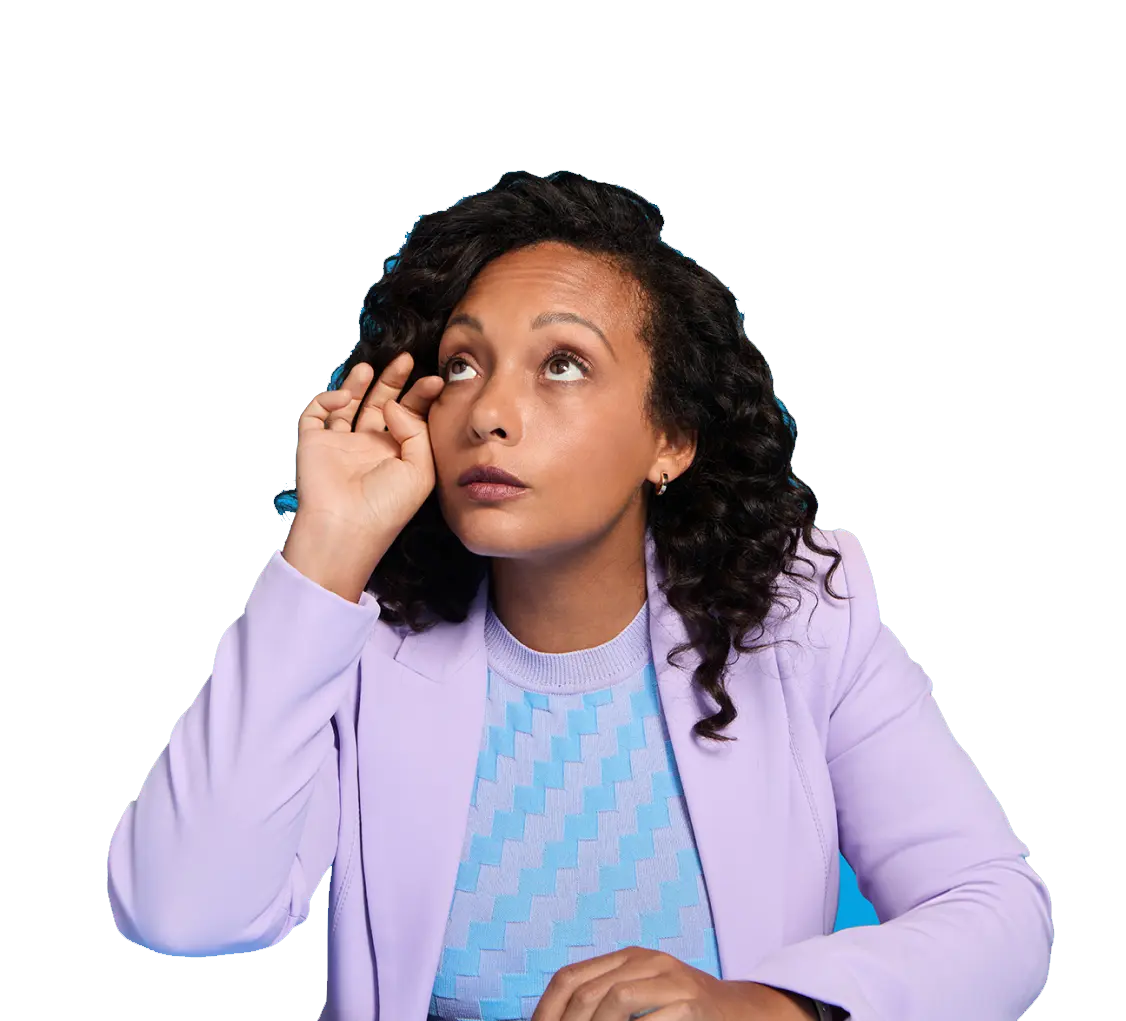
A woman looking up and rubbing her right eye

What’s causing your dry eye symptoms?

Do your dry eyes still feel gritty, rough, or tired no matter what you do? Do you experience vision that changes throughout the day?

There are 2 types of dry eye:

Too much tear evaporation

which contributes to dry eye in about 9 out of 10 people.

Not making enough tears

which is a less common type of dry eye.

Sometimes, you can have a combination of both types of dry eye.

What does dry eye feel like?

Dry eye caused by too much tear evaporation may make your eyes feel one or more of the following:
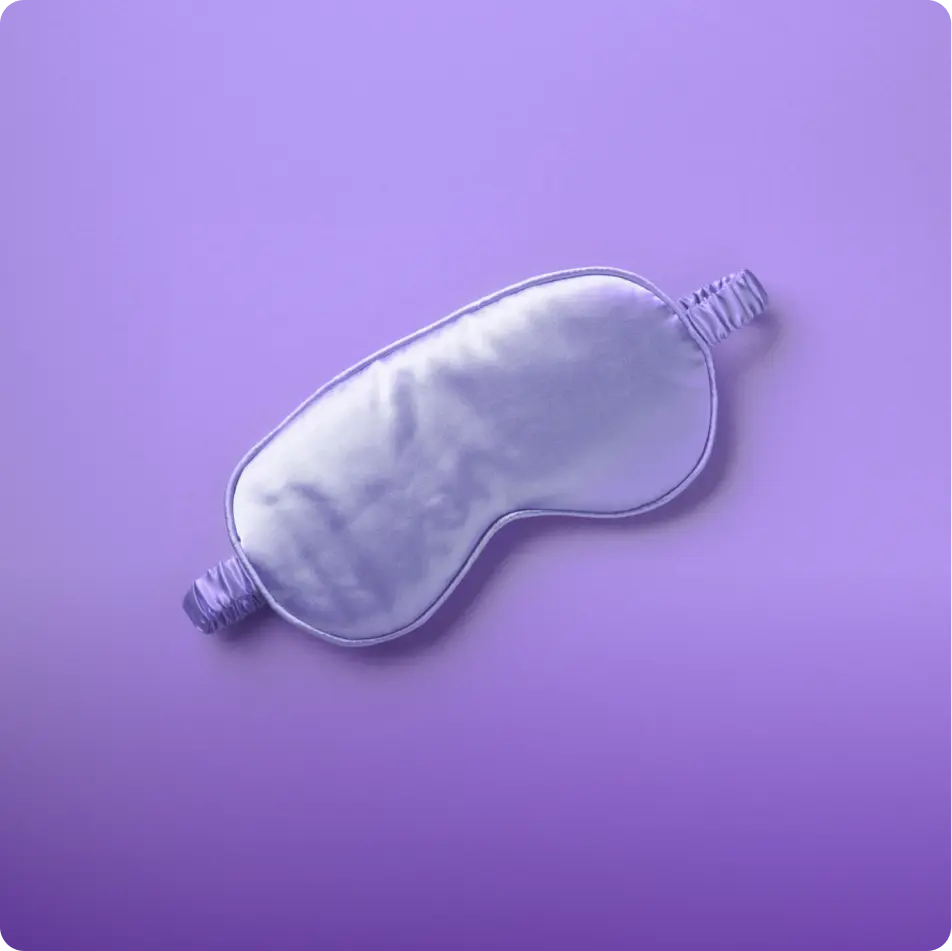

Purple sleeping mask
Tired
A small potted cactus
Scratchy
Image of a man in a purple shirt rubbing at his closed right eye
Gritty
Image of a purple dart
Stinging
Image of a woman in pain and rubbing at her left eye
Painful
A purple dumbbell
Heavy
Sunglasses with purple frames and purple lenses
Sensitive to light
Woman in purple coat rubbing an irritated eye
Burning
Man in purple shirt rubbing at his right eye
Rough
Woman with long curly hair rubbing at her itchy right eye
Itchy
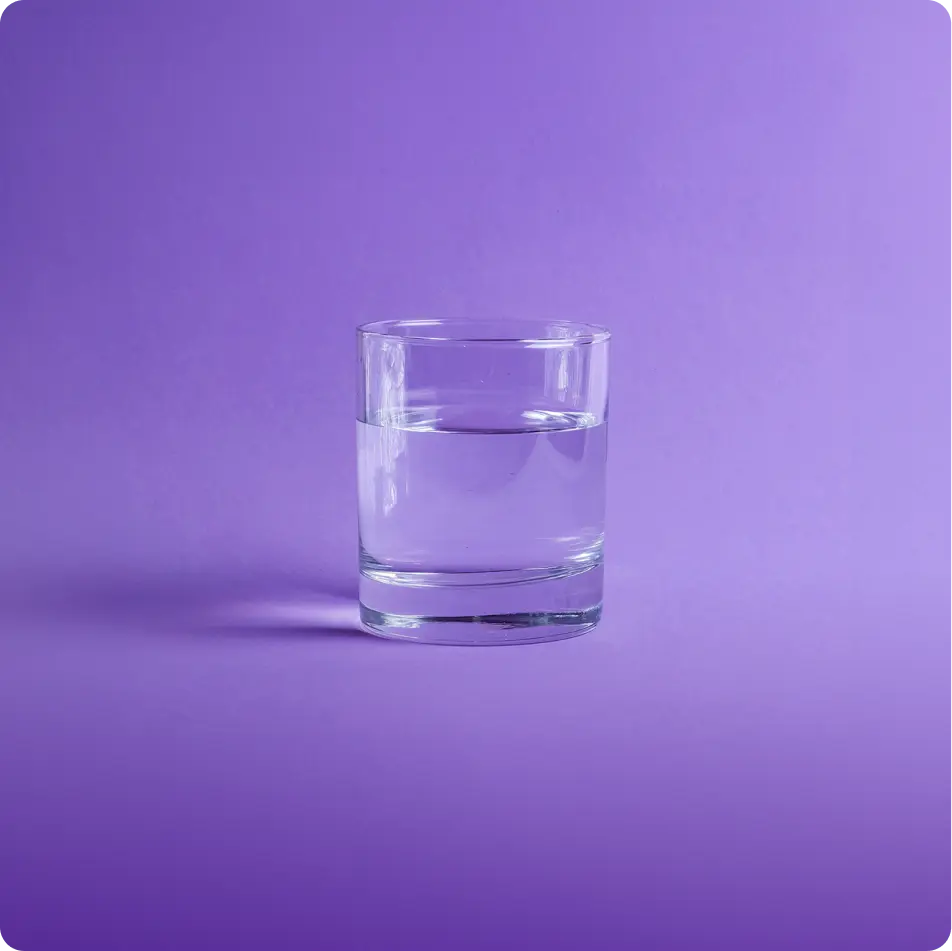
Glass of water with purple background
Watery
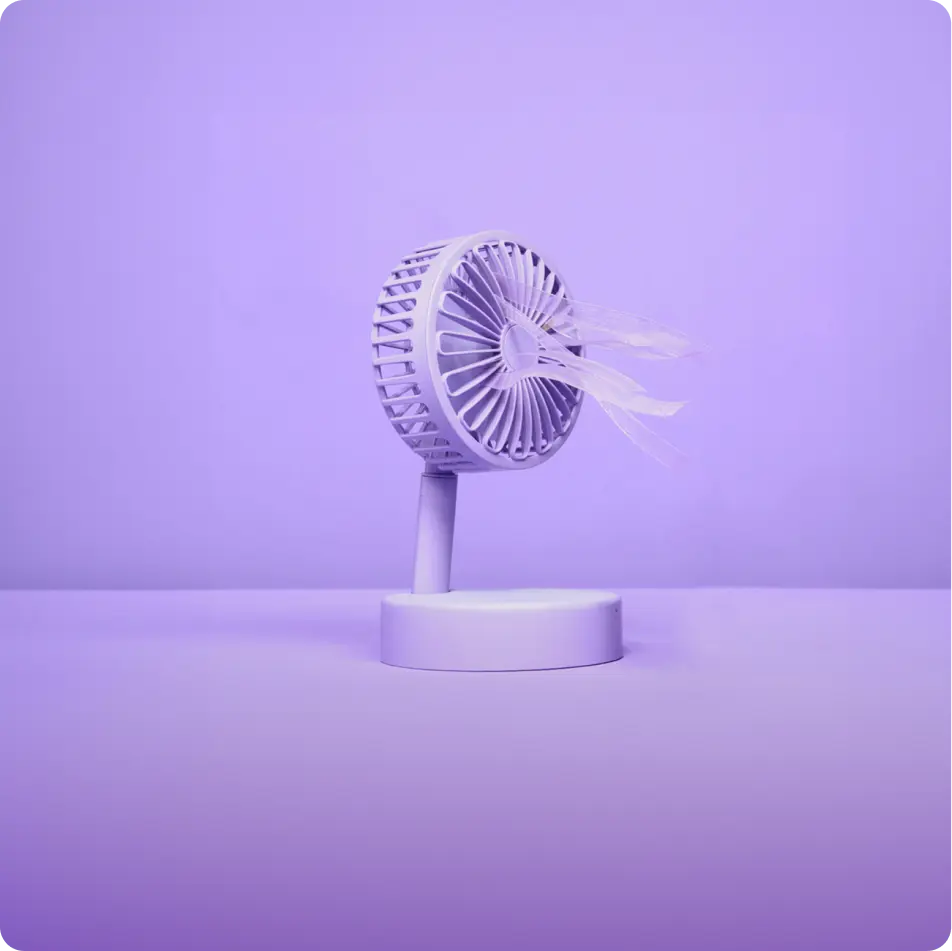
A purple electric fan with deep purple background
Irritated

With too much tear evaporation, it’s common to experience:

  • Closed eye icon

    Needing to blink to clear your vision

  • Blue question mark

    Vision that fluctuates

  • Clock icon

    Symptoms that get worse throughout the day

Why do my dry eyes feel watery?

Adding eye drops to eyes that are already watery may seem strange. But that watery feeling is a common symptom of dry eye. It can be a sign that your tears are evaporating too quickly, leaving your eyes without enough lasting moisture.

Dry eye disease

Expand all

  • Dry eye is more than just the symptoms that you feel. It’s an underlying condition that can be caused by different things. There are 2 types of dry eye. The first type involves your eyes not producing enough tears. This is called aqueous-deficient dry eye. The second type is when your tears evaporate too quickly. This is called evaporative dry eye. Too much tear evaporation is a leading cause of dry eye in about 9 out of 10 people with dry eye. In both types, these conditions can potentially result in symptoms that make your eyes feel tired, scratchy, gritty, rough, or dry. Evaporative dry eye can be driven by factors in our modern lifestyle, like screen time. Sometimes, you can have a combination of both types. MIEBO is the only prescription dry eye drop that directly targets too much tear evaporation to treat signs and symptoms of dry eye disease. No other water-based or water-free prescription drops directly target tear evaporation.

  • No, not all dry eye is the same. There are 2 types of dry eye:
    • Evaporative, or “too much tear evaporation,” which contributes to dry eye in about 9 out of 10 people.
    • Aqueous deficient, or “not making enough tears,” which is a less common type of dry eye.
    • Some people may have a combination of both types.

Take a closer look

Why do tears evaporate?

See what causes too much tear evaporation.

INDICATION

MIEBO® (perfluorohexyloctane ophthalmic solution) is used to treat the signs and symptoms of dry eye disease.

IMPORTANT SAFETY INFORMATION

  • Do not use if you are allergic to MIEBO
  • Remove contact lenses before using MIEBO and wait for at least 30 minutes before reinserting
  • It is important to use MIEBO exactly as prescribed
  • It is not known if MIEBO is safe and effective in children under the age of 18
  • In pivotal trials, the most common eye side effect seen in studies was blurred vision (1% to 3% of patients reported blurred vision and eye redness)

Click here for full Prescribing Information for MIEBO.

You are encouraged to report negative side effects of prescription drugs to the FDA. Visit www.fda.gov/medwatch or call 1-800-FDA-1088.

INDICATION

MIEBO® (perfluorohexyloctane ophthalmic solution) is used to treat the signs and symptoms of dry eye disease.

IMPORTANT SAFETY INFORMATION

  • Do not use if you are allergic to MIEBO
  • Remove contact lenses before using MIEBO and wait for at least 30 minutes before reinserting
  • It is important to use MIEBO exactly as prescribed
  • It is not known if MIEBO is safe and effective in children under the age of 18
  • In pivotal trials, the most common eye side effect seen in studies was blurred vision (1% to 3% of patients reported blurred vision and eye redness)

Click here for full Prescribing Information for MIEBO.

You are encouraged to report negative side effects of prescription drugs to the FDA. Visit www.fda.gov/medwatch or call 1-800-FDA-1088.